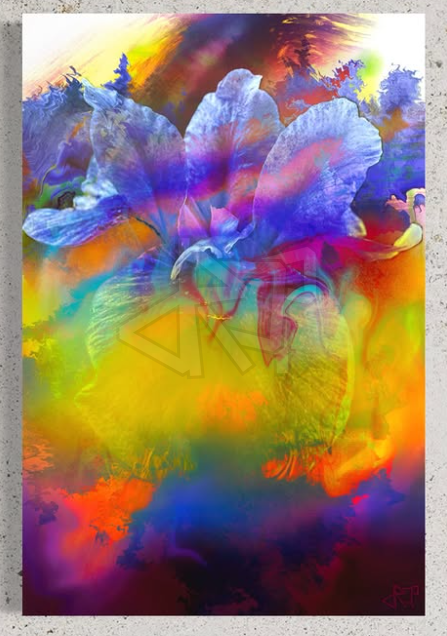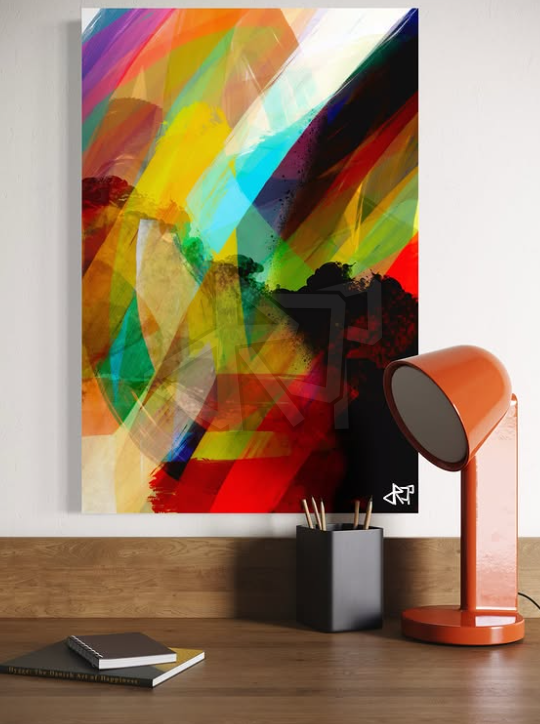

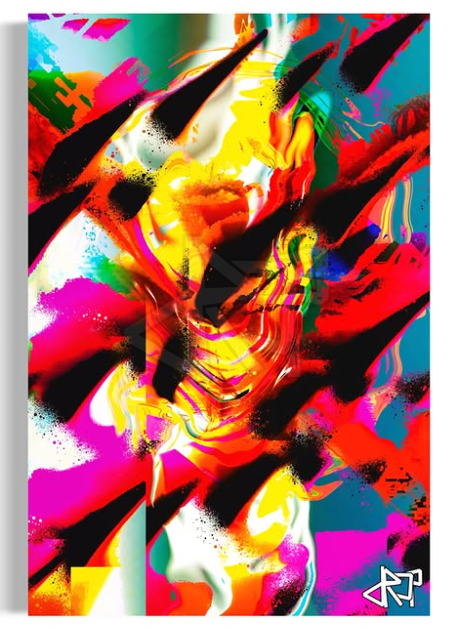
If you’re looking at modern art pieces for homes in East Hampton or Bridgehampton, you’re likely not just trying to decorate a wall.
You’re trying to complete a space that already has a strong identity.
Homes in these areas are different.
They are open, architectural, often minimal but intentional. Materials are carefully selected. Light plays a major role. The environment itself is part of the design.
That means anything you bring into the space especially artwork has to match that level.
Not just visually.
But in how it feels within the room.
Why Modern Art Works So Well in East Hampton and Bridgehampton
Modern art naturally aligns with the design style found in East Hampton and Bridgehampton homes.
These spaces often feature:
- clean lines
- open layouts
- large walls
- natural light
- neutral or restrained color palettes
Modern artwork complements this because it focuses on:
- form
- movement
- balance
- negative space
It doesn’t overwhelm the room.
It interacts with it.
But not all modern art achieves that.
The Problem With Most Modern Art Pieces for Sale
When people search for:
- modern art pieces
- art pieces for sale
- modern wall art
they are often presented with options that look modern but lack depth.
Many of these pieces are:
- mass-produced
- overly symmetrical
- designed for broad appeal
They follow a formula.
And because of that, they often feel generic once placed in a space.
In homes in East Hampton or Bridgehampton, that becomes immediately noticeable.
Because the rest of the home is not generic.
What Makes a Modern Art Piece Actually Work in a Space
Modern artwork is not defined by style alone.
It’s defined by how it interacts with the environment.
A piece works when it aligns with:
1. Scale
Large walls require presence.
A piece that is too small will feel disconnected.
A piece that is too large can overwhelm the space.
The scale needs to be proportionate, not just to the wall, but to the room as a whole.
2. Movement
Modern art often relies on movement rather than detail.
This can come through:
- brushwork
- layering
- composition
Movement keeps the piece engaging.
Without it, even well-designed artwork can feel static.
3. Balance
Balance is not the same as symmetry.
In many modern pieces, balance comes from how elements are distributed across the canvas.
This is especially important in open spaces, where artwork is viewed from multiple angles.
4. Material and Texture
Flat artwork can feel out of place in homes that feature layered materials like:
- wood
- stone
- glass
- metal
Modern artwork with texture integrates more naturally into these environments.
Why Buying Based on Appearance Alone Doesn’t Work
Many people choose artwork based on:
- color matching
- trending styles
- what looks good online
But artwork that looks good in isolation doesn’t always work in a real space.
That’s because:
- lighting changes throughout the day
- surrounding materials affect perception
- scale is difficult to judge without context
This is why many purchased pieces end up being replaced.
They don’t evolve with the space.
The Difference Between Decorative Art and Intentional Art
Decorative art is designed to fill space.
Intentional art is designed to work within it.
The difference is subtle, but important.
Decorative art:
- follows trends
- is easy to place
- works temporarily
Intentional art:
- responds to the environment
- holds presence
- remains relevant over time
In East Hampton and Bridgehampton homes, intentional art is what makes the space feel complete.
Why Collaboration Leads to Better Results
One of the most effective ways to ensure artwork fits properly is through collaboration.
Instead of choosing from pre-made options, the piece is developed with the space in mind.
This allows for adjustments such as:
- refining scale
- adjusting composition
- aligning tone with the room
You bring:
- knowledge of how the space is used
- your preferences
- your perspective
The artist brings:
- experience
- technical execution
- structure
The result is something that feels integrated, not added on.
How Modern Art Should Interact With Open Spaces
Homes in East Hampton and Bridgehampton often feature open layouts.
This changes how artwork is experienced.
Instead of being viewed from a single position, the piece is seen:
- from multiple angles
- across different rooms
- in changing light conditions
This requires the artwork to:
- hold presence from a distance
- remain engaging up close
- adapt visually as the perspective shifts
Not all artwork can do this.
Modern pieces that incorporate movement and variation tend to perform best.
Lighting and Its Impact on Artwork
Lighting is one of the most overlooked factors when selecting art.
In coastal and open environments, natural light can be strong and constantly changing.
This affects:
- color perception
- contrast
- visibility of texture
A piece that works in artificial lighting may feel different in natural light.
Custom or carefully selected modern artwork can be adjusted to account for this.
Common Mistakes When Choosing Modern Art
Choosing Based on Trends
Trends change quickly.
Artwork should last longer than design cycles.
Undersizing the Piece
Smaller pieces often get lost in larger spaces.
Ignoring Texture
Flat pieces can feel disconnected in material-rich environments.
Overmatching Colors
Trying to match artwork exactly to furniture or walls often limits the piece.
Contrast tends to create better results.
How the Right Piece Changes the Space
When the right modern artwork is in place, the difference is immediate.
The space feels:
- more grounded
- more complete
- more intentional
The artwork becomes part of the environment.
Not just something placed within it.
Modern Art Across East Hampton, Bridgehampton, and Surrounding Areas
While these areas share similarities, each has its own characteristics.
- East Hampton — open, expressive, design-forward
- Bridgehampton — structured but spacious
- West Hampton — relaxed, coastal influence
Modern artwork needs to adapt to these differences.
It cannot follow a single formula.
What to Look for Before You Buy
Before selecting a modern art piece, consider:
- Does the scale match the space?
- Will it still feel relevant over time?
- Does it interact with the room, or just sit on the wall?
- Does it have enough presence?
- Will it work in different lighting conditions?
These factors determine whether the piece will last in the space.
If You’re Looking for Modern Art Pieces
You’re not just looking for something that looks good.
You’re looking for something that:
- fits your space properly
- holds presence
- feels intentional
- integrates naturally into the environment
That’s what separates a good piece from the right one.
Explore Artwork with Gendrop Art
If you’re located in East Hampton, Bridgehampton, West Hampton, Huntington NY, Oyster Bay Cove, Brookville, Roslyn, Manhasset, Sands Point, Syosset, or Cold Spring Harbor.
Start here: