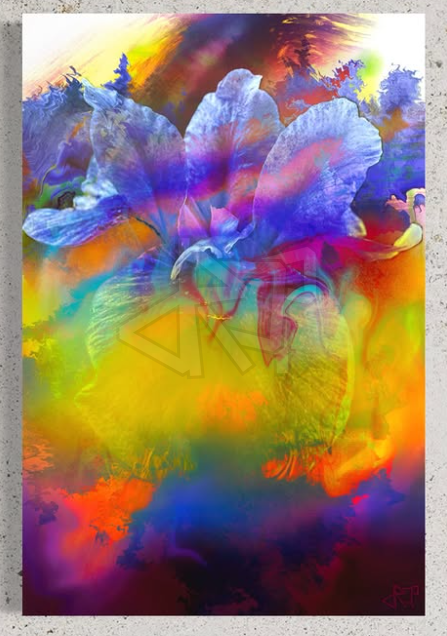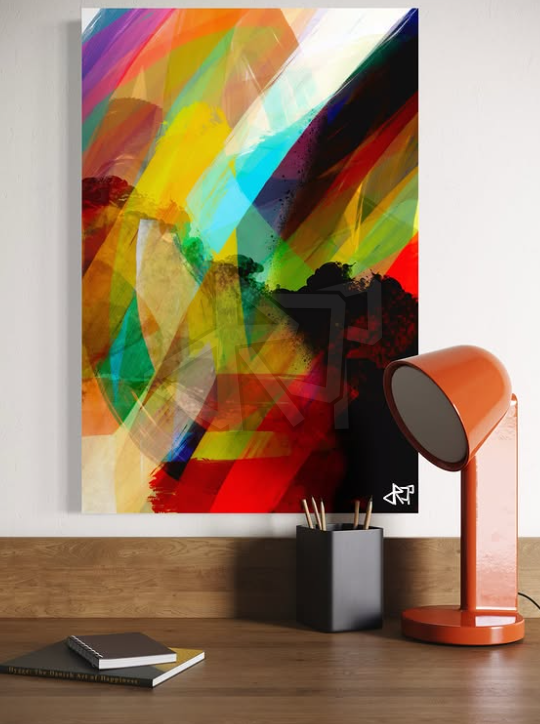

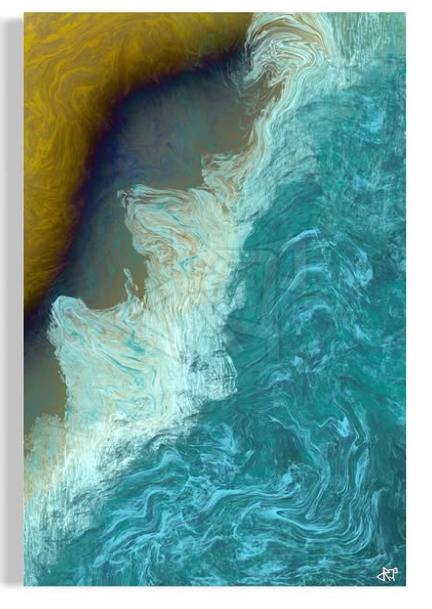
If you’re looking to commission custom artwork in Huntington NY, you’re likely trying to do more than just purchase a piece.
You’re trying to create something that fits your space in a way that feels intentional, balanced, and complete.
Unlike buying ready-made artwork, commissioning a custom piece involves a process.
And understanding that process is what leads to better results.
Because the difference between a piece that works and one that truly fits often comes down to how it was developed.
Why Commissioning Artwork Requires a Different Approach
When you buy artwork, you are choosing from existing options.
When you commission artwork, you are creating something new.
This means the process is not just about selection.
It’s about development.
That includes:
- defining direction
- understanding the space
- refining the concept
- shaping the final piece
Without a clear process, it’s easy to make decisions that lead to a piece that doesn’t fully integrate into the space.
Step 1: Start With the Space, Not the Artwork
The most important step happens before anything is created.
Instead of starting with style or color, begin with the space.
Ask:
- What is the purpose of this room?
- What does the space currently lack?
- Does the artwork need to stand out or integrate?
In homes across Huntington NY, rooms often already have strong design elements.
Artwork should respond to those elements.
Not compete with them.
Understanding the space provides direction for everything that follows.
Step 2: Define the Role of the Artwork
Artwork can serve different purposes depending on the space.
It may need to:
- act as a focal point
- add balance
- introduce contrast
- connect elements within the room
For example:
A living room may need a piece that anchors the space.
A hallway may require something that guides movement.
A bedroom may benefit from something more subtle.
Defining the role ensures the artwork functions properly.
Step 3: Establish Scale and Proportion
Scale is one of the most important factors in custom artwork.
It determines how the piece interacts with the space.
In Huntington NY homes, where wall sizes vary, this becomes especially important.
A piece that is too small will feel disconnected.
A piece that is too large may overwhelm the room.
Proper scale allows the artwork to:
- hold presence
- balance the wall
- align with surrounding elements
This step sets the foundation for the piece.
Step 4: Develop Direction and Concept
Once the space and scale are understood, the next step is defining direction.
This includes:
- overall tone
- composition
- level of detail
- how the piece should feel
At this stage, reference images or ideas may be used.
But they are not the final outcome.
They are starting points.
The goal is to create something that fits the space, not replicate something that already exists.
Step 5: Collaborate Throughout the Process
Commissioning artwork is not a one-sided process.
It works best as a collaboration.
You bring:
- your perspective
- your preferences
- your understanding of the space
The artist brings:
- technical expertise
- experience with composition
- the ability to translate ideas into a finished piece
This collaboration allows the artwork to evolve.
Adjustments can be made as needed.
This leads to a stronger final result.
Step 6: Consider Materials and Texture
Materials influence how the artwork interacts with the space.
In Huntington NY homes, you may have:
- wood flooring
- stone surfaces
- metal accents
- layered textiles
Artwork that lacks texture may feel flat in comparison.
Custom artwork allows materials and techniques to be selected based on the environment.
This ensures the piece integrates more naturally.
Step 7: Account for Lighting Conditions
Lighting plays a major role in how artwork is experienced.
Natural light changes throughout the day.
Artificial lighting creates different tones in the evening.
This affects:
- color perception
- contrast
- visibility of detail
A well-designed piece considers these factors.
Adjustments can be made to ensure the artwork remains balanced in different lighting conditions.
Step 8: Refine and Adjust Before Finalizing
One of the advantages of commissioning artwork is the ability to refine the piece.
Instead of committing to a fixed outcome from the start, the process allows for:
- adjustments to composition
- changes in tone
- refinements in scale
This flexibility ensures the final piece fits the space more precisely.
Step 9: Placement and Integration
Once the artwork is complete, placement is critical.
It should align with:
- furniture
- architectural lines
- sightlines within the room
Proper placement ensures the artwork feels integrated.
Not added afterward.
This step finalizes how the piece interacts with the space.
Step 10: Long-Term Consideration
Commissioned artwork should be considered in terms of long-term fit.
Ask:
- Will this piece still feel relevant over time?
- Does it adapt to potential changes in the space?
- Does it feel connected to the environment?
These considerations help ensure the artwork holds its value within the home.
Why Commissioning Leads to Better Results
When the process is followed correctly, commissioning artwork offers advantages over ready-made pieces.
It allows for:
- precise scale
- intentional placement
- stronger integration
- long-term relevance
The result is not just a piece of artwork.
It’s something that functions within the space.
Common Mistakes to Avoid
Even when commissioning artwork, certain mistakes can limit the outcome.
Starting With Style Instead of Space
This can lead to a piece that looks good but doesn’t fit.
Undersizing the Artwork
Small pieces often lack presence.
Overmatching Colors
This reduces contrast and impact.
Skipping Collaboration
Without input from both sides, the result may feel incomplete.
Avoiding these mistakes improves the final result.
Custom Artwork Across Huntington NY and the North Shore
While this blog focuses on Huntington NY, the same approach applies across nearby areas:
- Oyster Bay Cove
- Brookville
- Roslyn
- Manhasset
- Sands Point
- Syosset
- Cold Spring Harbor
Each location has its own characteristics.
Custom artwork allows the piece to adapt accordingly.
What to Expect From the Process
Commissioning artwork is not instant.
It requires time and consideration.
But that process is what leads to a better result.
Each step builds on the previous one.
And each step improves how the artwork fits the space.
How the Right Piece Feels
When the process is done correctly, the result is clear.
The artwork feels:
- balanced
- intentional
- connected to the space
It doesn’t feel like something that was added.
It feels like something that belongs.
If You’re Looking to Commission Custom Artwork in Huntington NY
You’re not just choosing a piece.
You’re shaping how that piece will exist within your home.
Custom artwork allows that to be done with precision.
Explore Custom Artwork with Gendrop Art
If you’re located in Huntington NY, Oyster Bay Cove, Brookville, Roslyn, Manhasset, Sands Point, Syosset, Cold Spring Harbor, East Hampton, West Hampton, or Bridgehampton.
Start here: