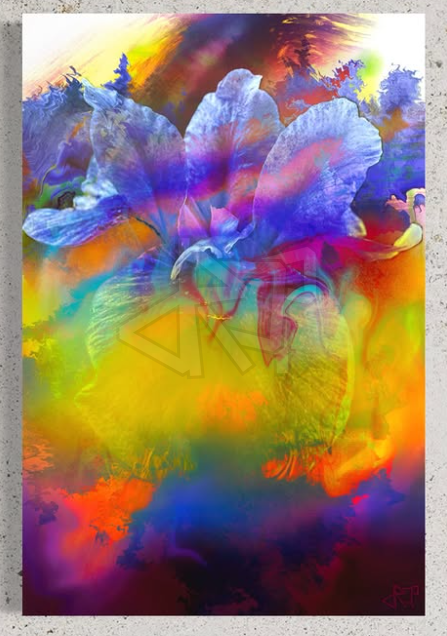

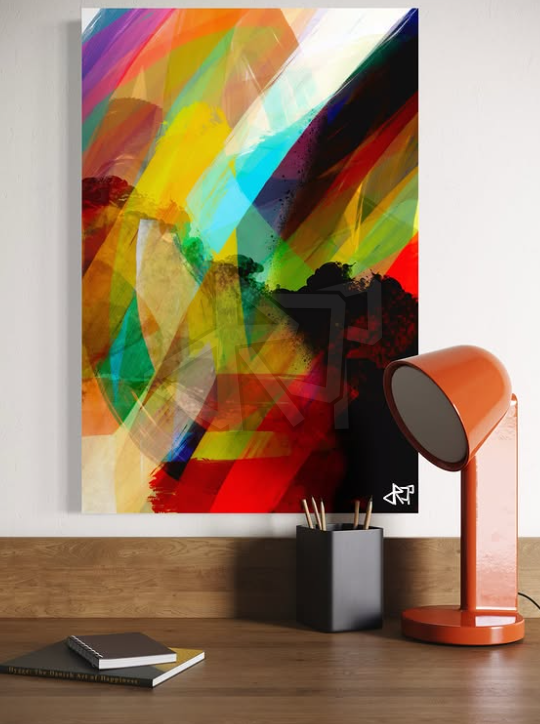
If you’re considering custom artwork in Cold Spring Harbor, you’re likely not just trying to fill an empty wall.
You’re trying to make your space feel complete.
In homes where the design is already thoughtful, where materials, layout, and light have all been carefully considered, adding artwork is not about decoration.
It’s about integration.
Because the difference between artwork that works and artwork that doesn’t is simple.
One feels like it belongs. The other feels like it was added afterward.
What It Means for Artwork to Feel Integrated
Artwork that feels integrated does not immediately draw attention as a separate element.
Instead, it works with the space. It supports the environment around it. It aligns with the room in a way that feels natural.
This includes how it relates to the scale of the wall, surrounding furniture, architectural lines, lighting conditions, and materials already present.
In Cold Spring Harbor homes, where spaces are often calm, balanced, and connected to their surroundings, this level of integration becomes essential.
Why Artwork Often Feels Added Instead of Integrated
Most artwork is chosen after everything else is in place.
The room is designed. The furniture is set. The finishes are complete.
Then artwork is selected to fill the remaining space.
This approach often leads to pieces that match visually but lack connection. They feel separate from the room and do not fully align with the environment.
Even strong artwork can feel out of place when it is chosen without considering the full context of the space.
Starting With the Space, Not the Artwork
To create artwork that feels integrated, the starting point needs to shift.
Instead of asking what artwork you like, the better question is what the space needs.
That includes understanding how the room is used, how it feels now, what is missing, and whether the space needs contrast or balance.
This approach allows the artwork to be developed as part of the space instead of something placed into it later.
The Role of Scale in Integration
Scale is one of the most important factors in making artwork feel like it belongs.
In Cold Spring Harbor homes, where walls can be larger and layouts more open, scale becomes even more noticeable.
Artwork that is too small will feel disconnected. Artwork that is too large can feel overwhelming.
The right scale allows the piece to hold presence, align with surrounding elements, and create balance within the room.
Custom artwork allows scale to be defined precisely from the beginning.
Aligning Artwork With Architecture
Architecture plays a major role in how artwork is perceived.
Elements such as ceiling height, window placement, structural lines, and built in features all influence where and how artwork should exist.
Integrated artwork respects these elements. It aligns with them and does not compete with them.
A horizontal piece may work better along a long wall, while a vertical composition may complement taller ceilings.
These decisions are based on the structure of the space.
Material and Texture Matching the Environment
Cold Spring Harbor homes often include natural and layered materials such as wood, stone, glass, and neutral textiles.
Artwork that lacks texture can feel flat in these environments.
Custom artwork introduces depth through layering, variation, and subtle movement.
This allows the piece to interact with the materials around it instead of standing apart.
How Lighting Affects Integration
Lighting changes everything.
Natural light shifts throughout the day. Artificial lighting varies depending on how the space is used.
This affects how colors appear, how shadows form, and how texture is perceived.
Artwork that is not designed with lighting in mind may feel inconsistent.
Custom artwork allows adjustments so the piece remains balanced across different conditions.
Why Collaboration Is Key to Integration
Artwork that feels integrated is rarely created in isolation.
It is developed through collaboration.
You bring understanding of your space, how you live in it, and what feels right.
The artist brings technical expertise, composition, structure, and experience working with different environments.
Together, the piece is shaped.
This process allows refinement and ensures the artwork responds to the space, not just an initial idea.
Balancing Presence Without Disruption
Integrated artwork still needs presence.
It cannot disappear into the space, but it also cannot overpower it.
The goal is balance.
This is achieved by adjusting contrast, composition, scale, and texture so the artwork feels connected while still holding its own.
Avoiding Overmatching
A common mistake is trying to match artwork exactly to the room.
Matching colors, finishes, and tones too closely can cause the piece to blend in too much.
This reduces impact.
Artwork should complement the space without disappearing into it.
A certain level of contrast is necessary.
How Custom Artwork Evolves With the Space
Spaces change over time.
Furniture may be updated. Lighting may shift. The way a room is used may evolve.
Artwork that feels integrated from the beginning is more likely to adapt to these changes.
Because it was designed with the space, not just a moment in time.
This allows it to remain relevant.
The Difference Between Integration and Decoration
Decoration adds something to a space.
Integration connects something to a space.
Decorative artwork may look good initially, but integrated artwork continues to feel right over time.
That is what creates long term value.
How the Process Supports Integration
A structured process ensures the artwork fits the space properly.
It begins with understanding the space, not just measurements but how the room functions.
Then direction is defined through tone, composition, and overall approach.
The piece is developed with adjustments along the way.
Finally, it is placed so it aligns naturally with the environment.
Each step contributes to integration.
Custom Artwork Across Cold Spring Harbor and Surrounding Areas
While this focuses on Cold Spring Harbor, the same principles apply across Huntington NY, Oyster Bay Cove, Brookville, Roslyn, Manhasset, Sands Point, and Syosset.
Each location has its own character.
Custom artwork allows the piece to adapt accordingly.
What to Consider Before Starting
Before beginning, consider what the space currently lacks, whether the artwork should stand out or integrate, how it will interact with the room, and how lighting affects the space.
These factors guide the process.
How the Right Artwork Feels
When artwork is integrated properly, it feels different.
It does not feel like something new.
It feels like something that was always meant to be there.
If You’re Considering Custom Artwork in Cold Spring Harbor
You’re not just choosing a piece.
You’re shaping how your space comes together.
Custom artwork allows that to be done intentionally.
Explore Custom Artwork with Gendrop Art
If you’re located in Cold Spring Harbor, Huntington NY, Oyster Bay Cove, Brookville, Roslyn, Manhasset, Sands Point, Syosset, East Hampton, West Hampton, or Bridgehampton, you can start here:
Additional Reading and Inspiration
https://www.moma.org/collection/
https://www.tate.org.uk/art
https://www.artsy.net/
https://www.saatchiart.com/
https://www.metmuseum.org/art/collection
https://www.louvre.fr/en