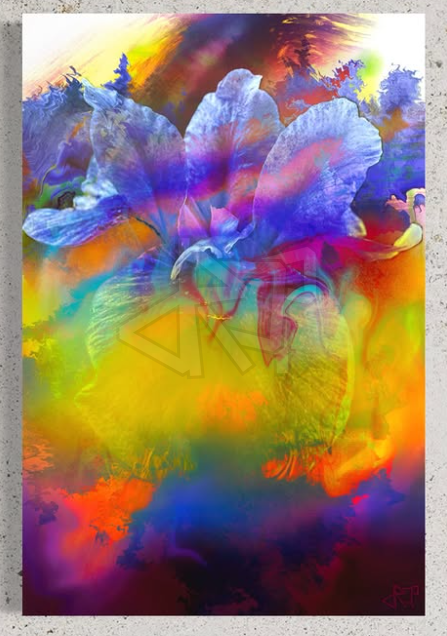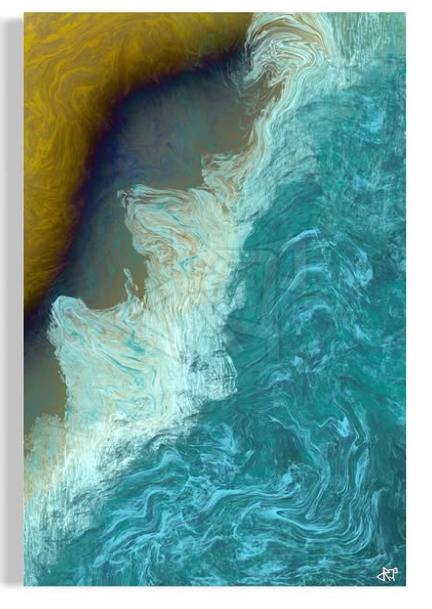

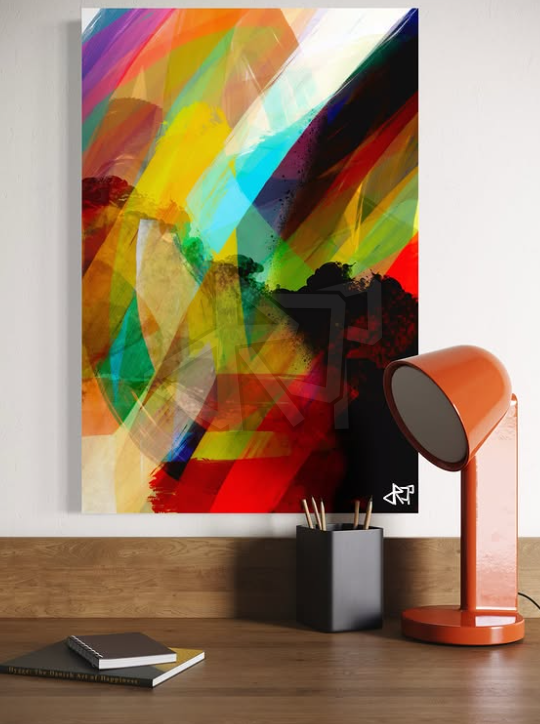
If you’re searching for custom artwork near you, you’re likely at the beginning of a process that feels simple on the surface.
Find an artist. Share an idea. Get a piece made.
But in reality, most people realize quickly that it’s not that straightforward.
Because custom artwork isn’t just about creating something new.
It’s about creating something that actually works, in your space, over time.
And that’s where most people get it wrong.
Why Custom Artwork Feels More Complicated Than Expected
At first, the idea of custom artwork seems clear.
You want something personal.
Something different from what’s already available.
Something that fits your space better than ready-made options.
But what’s often missing is clarity on what that actually means.
People start with:
- a color in mind
- a size
- maybe a reference image
But those elements alone don’t define the outcome.
Because artwork doesn’t exist on its own.
It exists within a space.
Mistake #1: Thinking It Starts With the Artwork
One of the most common misunderstandings is starting with the artwork itself.
Choosing:
- colors first
- style first
- reference images first
Instead of starting with the space.
In homes across Huntington NY, Roslyn, Manhasset, and Sands Point, the space already has a strong identity.
Architecture, materials, and layout are already established.
The artwork should respond to that.
Not the other way around.
Mistake #2: Treating Custom Artwork Like a Transaction
Another common mistake is approaching custom artwork as a simple service.
Request → create → deliver.
But that approach limits the result.
Custom artwork works best as a collaboration.
You bring:
- context
- how you use the space
- what feels right
The artist brings:
- structure
- experience
- execution
Without that interaction, the piece risks feeling disconnected, even if it looks good on its own.
Mistake #3: Expecting a Perfect Outcome From the Start
Many people expect to define the final result before the process begins.
They want to lock in:
- exact colors
- exact composition
- exact outcome
But strong artwork doesn’t usually come from fixed plans.
It develops.
It adjusts based on:
- scale
- placement
- how the piece evolves
Flexibility leads to better results.
Because it allows the artwork to respond to the space.
Mistake #4: Underestimating Scale and Placement
Scale is one of the most overlooked factors.
People often choose artwork that is:
- too small for the wall
- incorrectly proportioned
- not aligned with surrounding elements
In areas like East Hampton, Bridgehampton, and Cold Spring Harbor, where spaces are larger and more open, this becomes even more important.
The artwork needs presence.
It needs to hold its position within the room.
Without proper scale, even a strong piece can feel out of place.
Mistake #5: Focusing Too Much on Matching
Another common approach is trying to match artwork exactly to the space.
Matching:
- furniture colors
- wall tones
- finishes
While coordination matters, exact matching often limits the artwork.
It reduces contrast.
It reduces presence.
Artwork should complement the space, not blend into it completely.
Mistake #6: Using Photos Without Understanding Their Role
Many people begin by searching for custom artwork from photo.
A photo can be useful.
But it’s not always the final direction.
A photo is a reference.
What matters is how it’s interpreted.
Direct replication can:
- feel static
- lack movement
- not integrate well into the space
The strongest results come from translating the photo, not copying it.
Mistake #7: Choosing Based on Short-Term Appeal
It’s easy to choose something that looks good immediately.
But the real question is:
Will it still feel right over time?
Artwork should:
- remain relevant as the space evolves
- maintain presence
- continue to feel intentional
Many ready-made pieces don’t do this.
That’s why they often get replaced.
Mistake #8: Not Considering the Environment
Artwork interacts with:
- lighting
- materials
- surrounding elements
Natural light changes throughout the day.
Artificial lighting adds another layer.
Materials like wood, stone, and metal affect how colors and textures are perceived.
Ignoring these factors can lead to a piece that feels off once installed.
What Most People Expect vs. What Actually Works
Expectation
- Choose a style
- Pick a color
- Get a finished piece
Reality
- Understand the space first
- define how the artwork should function
- develop the piece through collaboration
This shift is what leads to better results.
How the Process Should Work
A strong custom artwork process is structured, but flexible.
Step 1 — Understanding the Space
Not just dimensions but how the room feels and functions.
Step 2 — Defining Direction
Establishing tone, scale, and overall approach.
Step 3 — Development
Allowing the piece to evolve with adjustments along the way.
Step 4 — Integration
Ensuring the artwork fits naturally within the environment.
Why Collaboration Changes Everything
When you’re involved in the process, the outcome is different.
The artwork:
- reflects your space more accurately
- aligns with how you use the room
- feels more intentional
It becomes part of the environment.
Not something added afterward.
Custom Artwork Across Long Island and the Hamptons
Each area has its own characteristics.
- Huntington NY and Syosset — layered, evolving spaces
- Roslyn and Brookville — structured, traditional interiors
- Manhasset and Sands Point — refined, high-end environments
- East Hampton, West Hampton, Bridgehampton — open, modern layouts
Custom artwork allows each piece to respond to these differences.
What to Do Before You Start
Before beginning, consider:
- What does the space currently lack?
- Should the artwork stand out or integrate?
- How will it interact with the room?
- Are you open to collaboration and adjustments?
These questions guide the process.
How the Right Artwork Changes the Outcome
When the process is done correctly, the result is clear.
The space feels:
- more grounded
- more complete
- more intentional
Not because something was added but because everything now connects.
If You’re Looking for Custom Artwork Near You
You’re not just looking for artwork.
You’re looking for something that:
- fits your space properly
- reflects your perspective
- feels intentional
- holds long-term relevance
Custom artwork delivers that, when the process is approached correctly.
Explore Custom Artwork with Gendrop Art
If you’re located in Huntington NY, Oyster Bay Cove, Brookville, Roslyn, Manhasset, Sands Point, East Hampton, West Hampton, Bridgehampton, Syosset, or Cold Spring Harbor.
Start here: